Feeding reproduction and caring for our young and fight or flight responses. Basolateral nuclei of the amygdala.
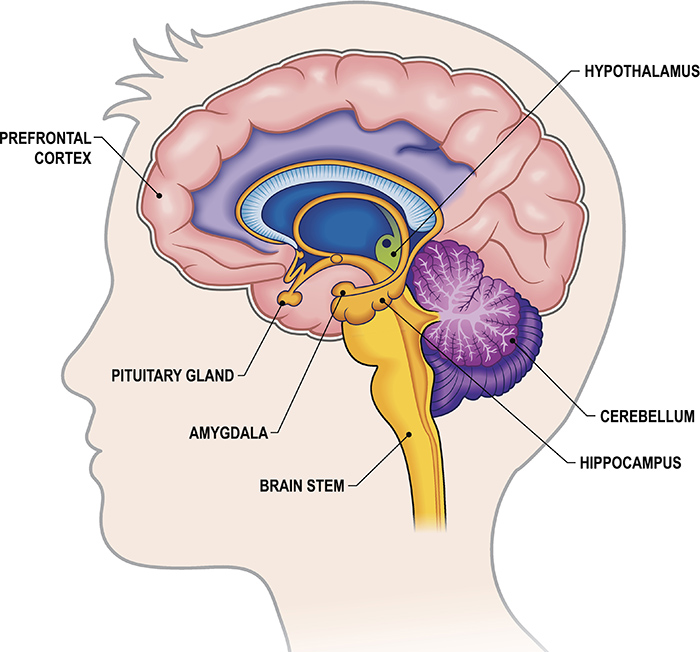 The Limbic System Queensland Brain Institute University
The limbic system is a complex system that consists mainly of the limbic lobe cortical areas and subcortical nuclei that have connections to the limbic lobe.
Anatomy of limbic system. As the disease progresses damage extends throughout the lobes. Its located on both sides of the thalamus and underneath the cerebrum. It supports a variety of functions including emotion behavior motivation long term memory and olfaction.
The latter on the other hand includes the amygdala olfactory bulb septal nuclei hypothalamus and the anterior and dorsomedial nuclei of the thalamus. Key structures of the limbic system include. The former comprises of the neocortex orbital frontal cortex hippocampus insular cortex and the cingulate subcallosal and parahippocampal gyri.
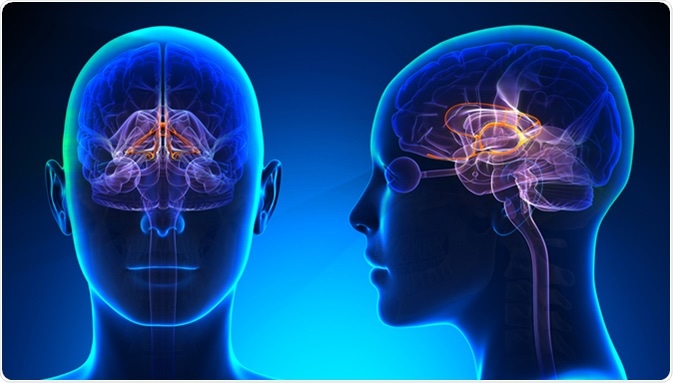
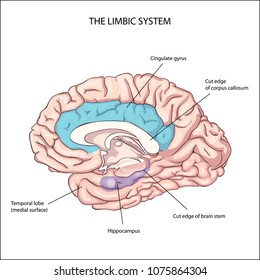
Brain anatomy and limbic system. The limbic system consists of a number of structures including the fornix hippocampus cingulate gyrus amygdala the parahippocampal gyrus and parts of the thalamus. The limbic system is a set of brain structures located on top of the brainstem and buried under the cortex.
Inferiorly the body of the fornix is related to the tela choroidea and the ependymal roof of the third ventricle. The limbic system also known as the paleomammalian cortex is a set of brain structures located on both sides of the thalamus immediately beneath the medial temporal lobe of the cerebrum primarily in the midbrain. The hippocampus is one of the first areas affected by alzheimers disease.
Limbic system structures are involved in many of our emotions and motivations particularly those that are related to survival such as fear and anger. The limbic system functions to facilitate memory storage and retrieval establish emotional states and link the conscious intellectual functions of the cerebral cortex with the unconscious autonomic functions of the brain stem. Composed of adjacent portions of the frontal parietal and temporal lobes that surround the corpus callosum the limbic lobe is involved with autonomic and related somatic behavioral activities.
The limbic system sits atop the brain stem which is believed to be one of the first parts of the brain to develop react to stimuli and the most basic in terms of sustaining life. Brain anatomy the limbic system is the part of the brain involved in our behavioural and emotional responses especially when it comes to behaviours we need for survival. Anatomy of limbic system.
The limbic lobe is a synthetic lobe located on the medial margin or limbus of the hemisphere. The body of the fornix splits anteriorly into two anterior columns of the fornix each of which curves anteriorly and inferiorly over the interventricular foramen foramen of monro. Image from human anatomy atlas.
 Brain Anatomy Overview Lobes Diencephalon Brain Stem Limbic System
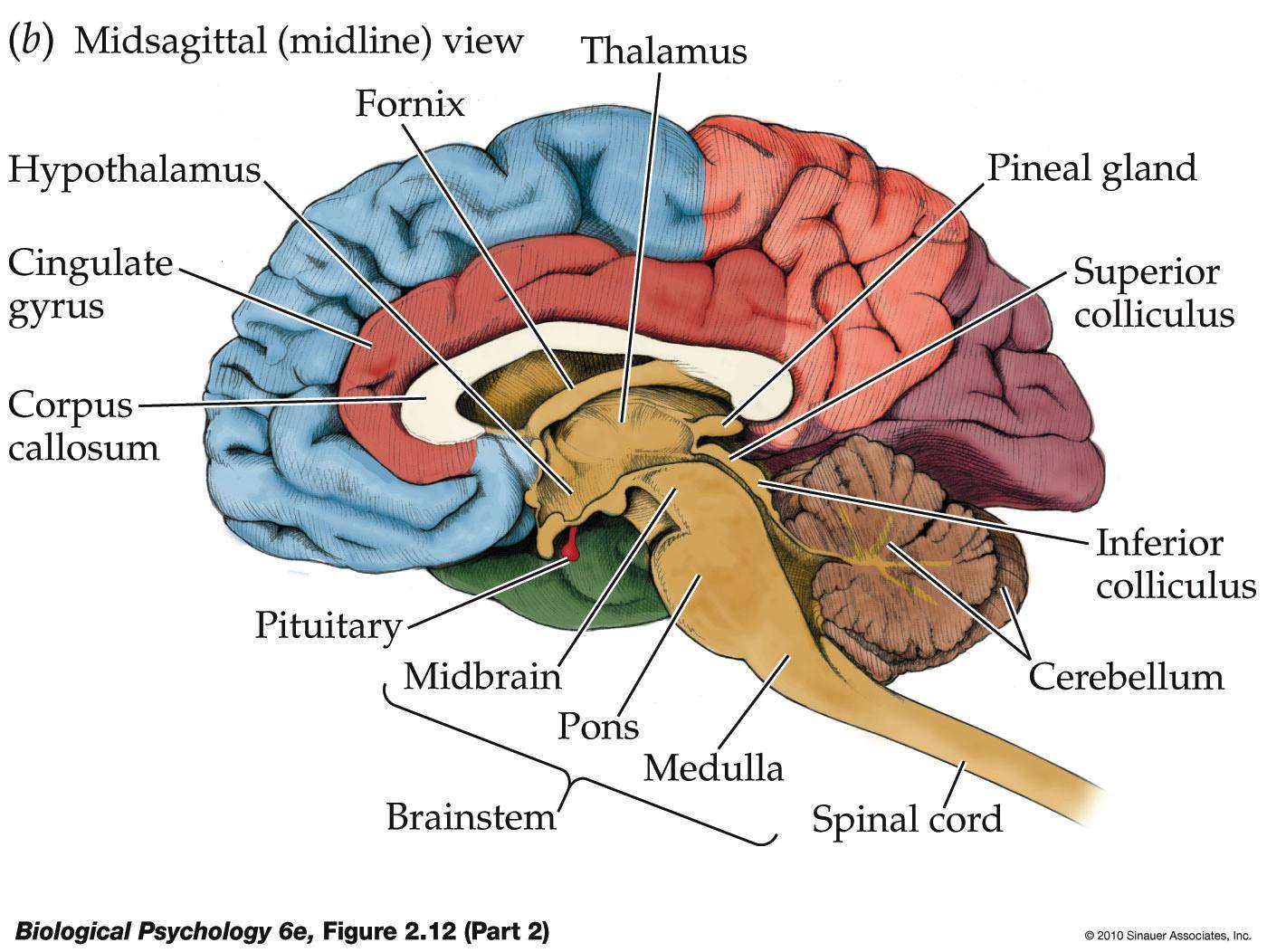
 The Limbic System Ami 2017 Annual Conference
 What Is The Limbic System In The Brain Definition
 Limbic System Brain Anatomy 3d Illustration Stock

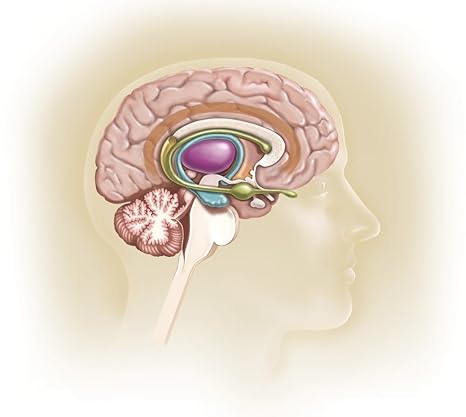 Amazon Com Sagittal View Of Human Brain Showing The Limbic
 Anatomy Of Limbic System
 Illustration Of Anatomy Of Limbic System Of Brain
 Female Limbic System Brain Anatomy Isolated On White Stock
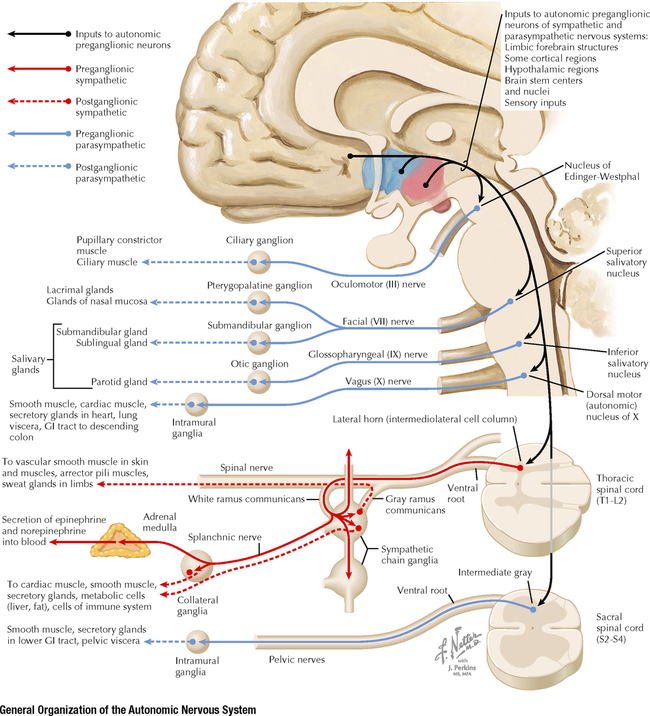 Autonomic Hypothalamic Limbic Systems Neupsy Key
 Structure And Function Of The Brain Boundless Psychology
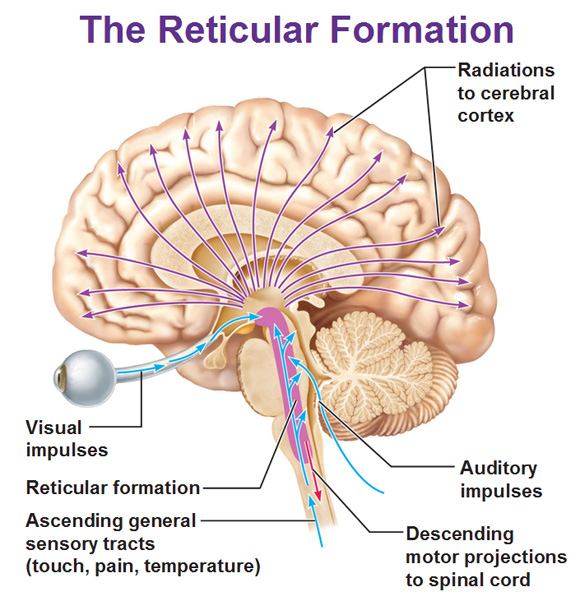
The Limbic System And The Reticular Formation
 The Brain Anatomical Chart Books Amazon Com Industrial
 Science Source Limbic System Illustration
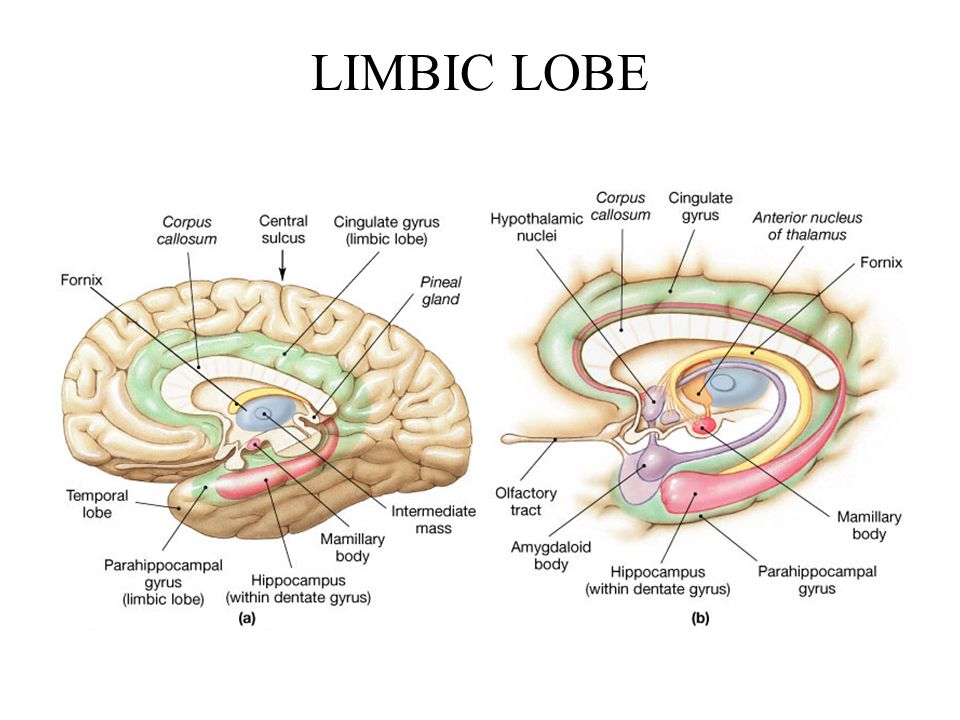 Limbic System By Esssam Eldin Abdlhady Salama Objectives At
 Pdf A Functional Anatomical And Molecular Investigation
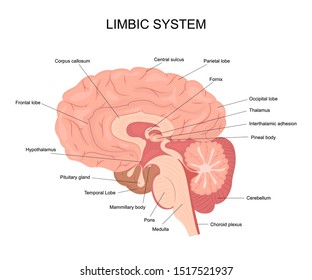 1000 Limbic System Stock Images Photos Vectors

 Anatomy Of Limbic System
 Anatomy Of Limbic System
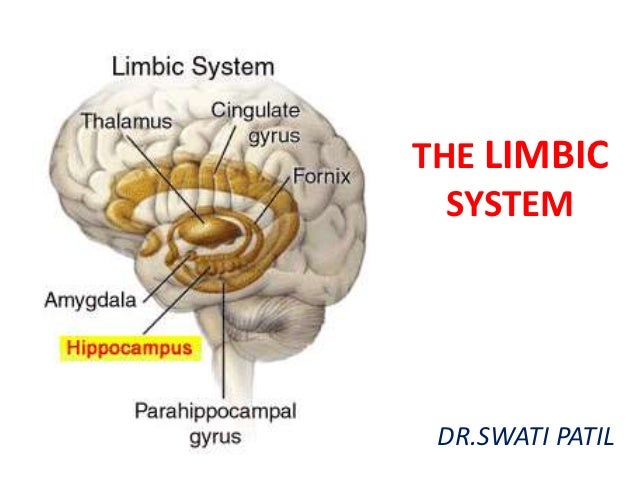 5 Limbic System
 Limbic System And Motivation
 1000 Limbic System Stock Images Photos Vectors
 The Limbic System In 60 Seconds


Posting Komentar
Posting Komentar