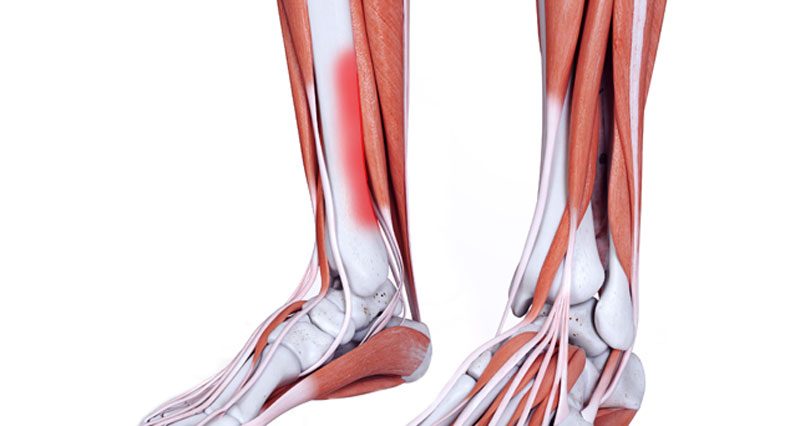
The main components of the lower leg that are affected by the pain associated with shin splints are. Shin splints medial tibial stress syndrome is an inflammation of the muscles.
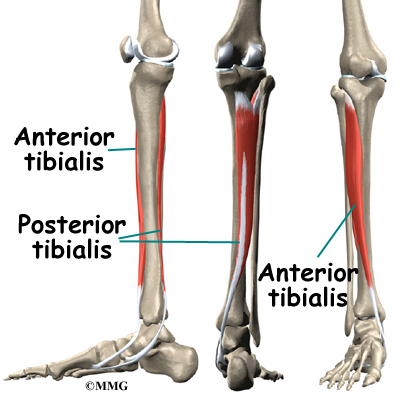 Shin Splints Orthogate
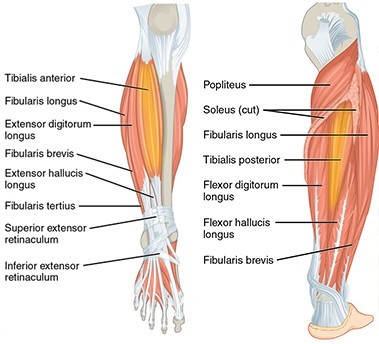
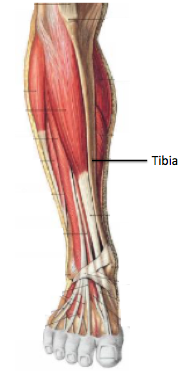
The major muscles in the lower leg that are associated with shin splints are the.

Shin splints anatomy. Shin splints not a specific injury but a term used to describe pain on the lower inside of the shin. Treatment and prevention description. Biomechanical malfunction of structures in the lower leg.
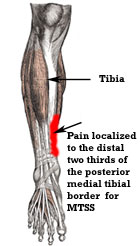
Your doctor may refer to the condition as medial tibial stress syndrome mtss. Anatomy of shin splints. This pain concentrates in the lower leg between the knee and ankle.
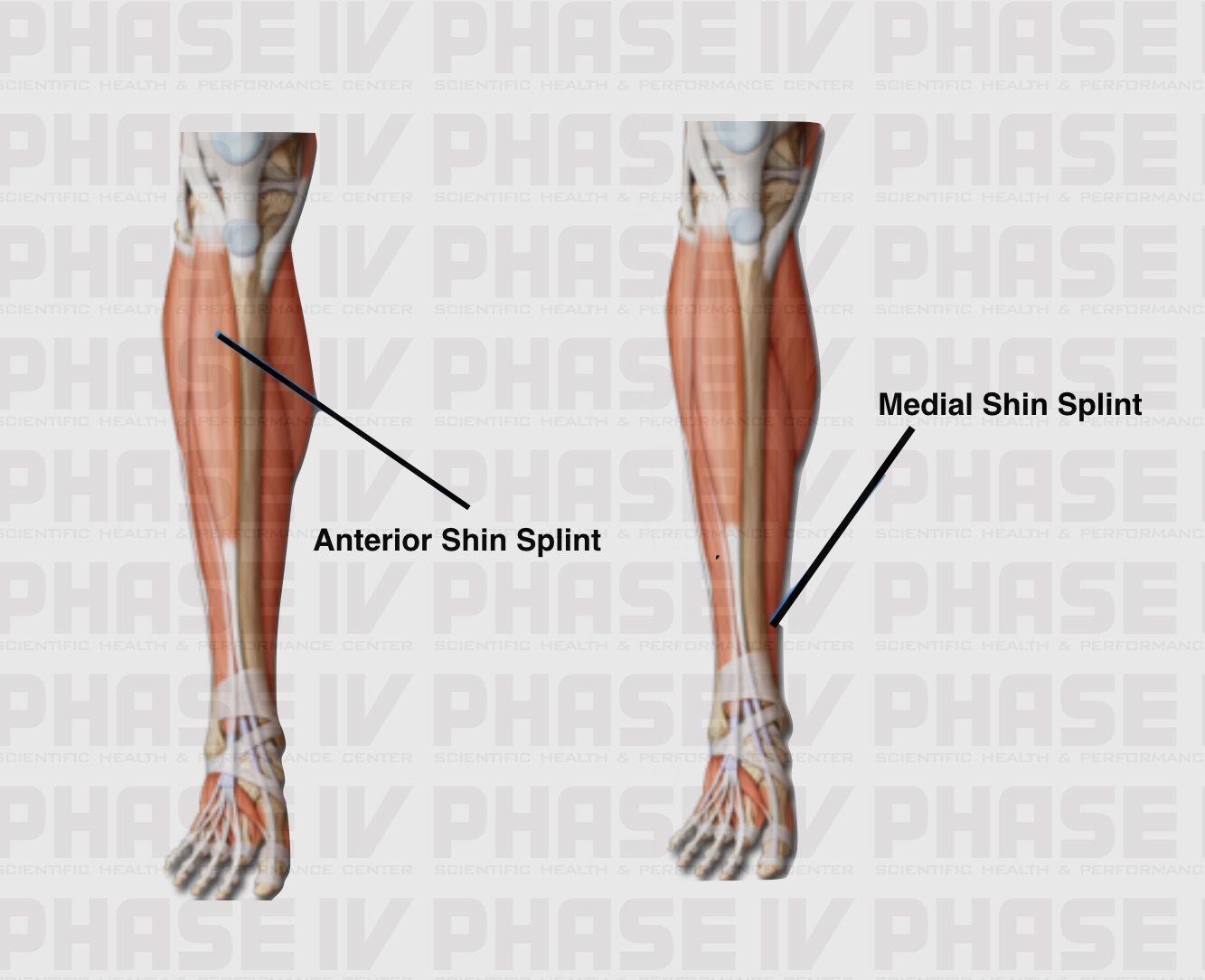
The literature varies greatly on specific causes of shin splints. Shin splints injuries are specifically located in the middle to lower thirds of the anterior or lateral part of the tibia which is the larger of two bones comprising the lower leg. With true shin splints the muscles surrounding the tibia are strained sometimes to the point of tearing leading in extreme cases to the tibia also sustaining tiny fractures due to the overuse of its surrounding connective tissue specifically the tibialis posterior muscle the tibialis anterior muscle and the periosteum.
In general shin splints develop when the muscle and bone tissue periosteum. Pain typically occurs along the inner border of the tibia where muscles attach to the bone. Shin splints medial tibial stress syndrome is an inflammation of the muscles tendons and bone tissue around your tibia.
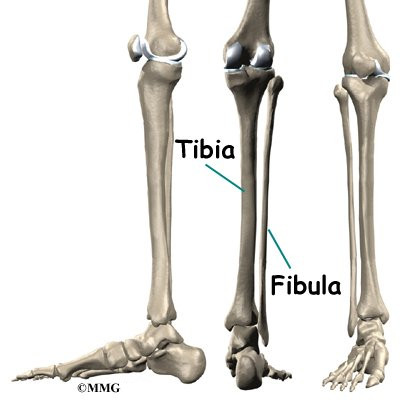
These are the two bones in the lower leg. Usually they are symptoms of another underlying problem such as over pronation of your feet when you run. Shin splint anatomy and treatment not just athletes.
Shin splint pain most often occurs on the inside edge of your tibia shinbone. This compartiment contains the tibialis anterior muscle the extensor hallucis longus the extensor digitorum longus and the peroneus tertius. Location of pain defines the condition as anterior or posterior shin splints.
The pathophysiology of shin splints is more easily understood after examining the relevant cross sectional anatomy. They are characterized by general pain in the lower region of the leg between the knee and the ankle. Medial tibial stress syndrome occurs when the lower leg muscles repeatedly pull on the tibia shin bone.
A number of specific injuries may cause shin splints type pain but medial tibial stress syndrome probably the most common. The tibia and fibula. Anatomy of a shin splint.
The term shin splints describes pain felt along the front of your lower leg at the shin bone. The most common symptom of shin splints is pain. Shin splints frequently affect people who engage in moderate to heavy physical activity.
There are 4 muscle compartments in the leg. Shin splints the anatomy causes symptoms and treatments shin splints also known as medial tibial stress syndrome mtss are a common running injury in all athletes and actually account for about 15 of all running injuries.
 Shin Splints Head4health
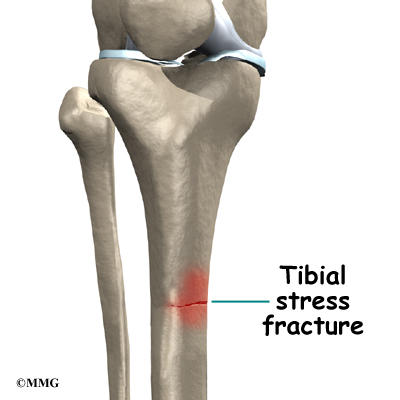 Shin Splints Eorthopod Com
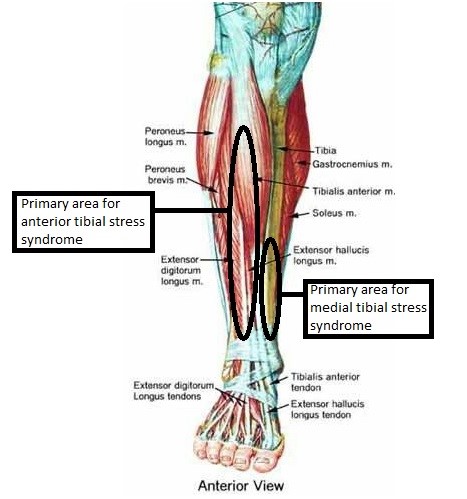 Tibial Stress Syndrome Shin Splints Accelerate Physiotherapy
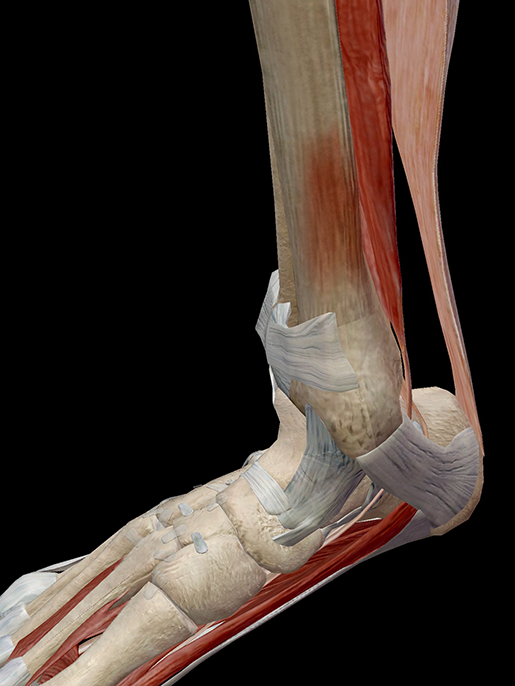 Hold On To Your Tibias The Anatomy And Causes Of Shin Splints

 Shin Splints Runner S World
 3 Shin Splint Stretches And Exercises Not To Do Precision
 Shin Splints Runner S World

 Shin Splints What Causes Them And How To Recover From Them

 Causes And Symptoms Of Shin Splints Mass4d Insoles
Shin Splints Medial Tibial Stress Syndrome Zion Physical
 Shin Splints Eorthopod Com
 Summit Medical Group
Shin Splints Orthoinfo Aaos
 Shin Splints
 Shin Splints Taping Techniques Human Kinetics Blog
 Symptom Of The Month March

 Pin On Foot Pain
 Shin Splints Symptoms Causes Treatment Taping Exercises
 What Is Shin Splints Causes Symptoms Treatment Options

 Medial Tibial Stress Syndrome An Overview Sciencedirect
 Shin Splints Physical Therapy 101
 Pin On Health And Exercise


Posting Komentar
Posting Komentar