Carrots send sugar to their storage organs the root. At first it grows a rosette of leaves while building up the enlarged taproot.
 Cunningham S Text Book Of Anatomy Anatomy 158 Osteology A
Roots are a very important part of any plant.
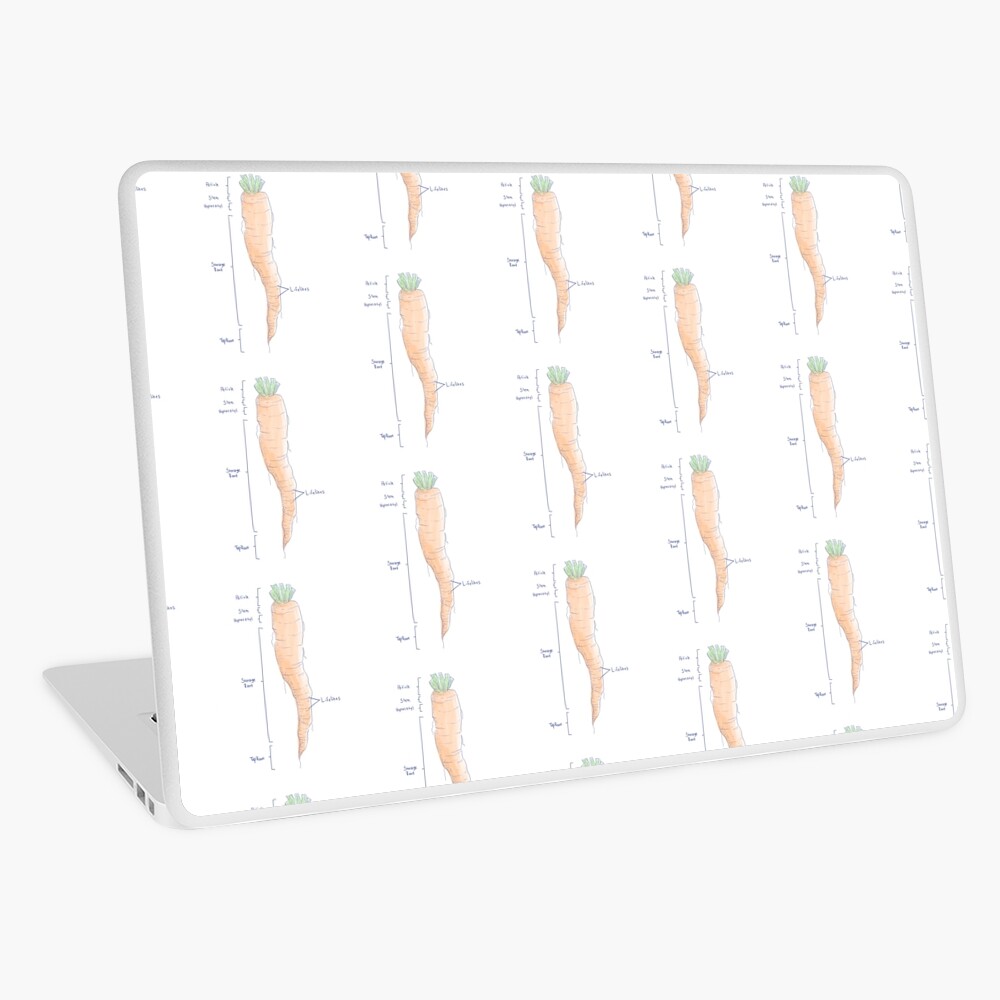
Carrot anatomy. Among common varieties root shapes range from globular to long with lower ends blunt to pointed. The domestic carrot has been selectively bred for its greatly enlarged more palatable less woody textured taproot. However the molecular mechanisms underlying gibberellin accumulation and perception during carrot growth.
These storage roots are orange in color and are most often conical or cylindrical in shape. Sativus that is easily recognized by most people is the storage root portion. All this needs energy.
The carrot is a biennial plant in the umbellifer family apiaceae. A carrot is biennial and therefore when the root is left in the ground for a further year it produces a long stalk and a mass of flower and then seeds. Paint one paper plate blue on the inside.
Like the rest of these vegetables the carrot plant has an umbrellalike inflorescence called an umbel 1 a. Carrot daucus carota herbaceous generally biennial plant of the apiaceae family that produces an edible taproot. Cytokinins have been implicated in normal plant growth and development.
The part of the anatomy of daucus carota var. Carrot undergoes significant alteration in organ size during its growth and development. These bioactive molecules are essential for cell production and expansion in higher plants.
A copy of the carrot anatomy printable two paper plates green construction paper orange construction paper green paint blue paint a paintbrush a brown marker a white puffball cotton ball glue a pencil scissors and a stapler. Cut the other paper plate in half and paint it green on the outside. Carrot is an apiaceae vegetable with great value and undergoes significant size changes over the process of plant growth.
Fast growing cultivars mature within three months 90 days of sowing the seed while slower maturing cultivars need a month longer 120 days. Besides the orange coloured roots white yellow and purple fleshed varieties are known. They anchor the plant in the ground and also absorb water and dissolve nutrients.
Carrot daucus carota scientific classification and anatomy carrots are a root vegetable also known as daucus carota a member of the umbelliferae family and thus related to parsley dill and celery. Taproots are common to all dicotyledon plants plants that have two seed leaves cotyledons in the embryo. The tap roots did not always have these morphological traits.
The carrot that we eat is a large taproot.
 Pdf Physiological Quality Anatomy And Histochemistry
 Carrot Anatomy Zipper Pouch By Jade Wu
 Pin On Health Fitness
 Vegetable Anatomy Sheet


 Anatomy Of A Snack Board Roasted Carrot Harissa Dip Recipe
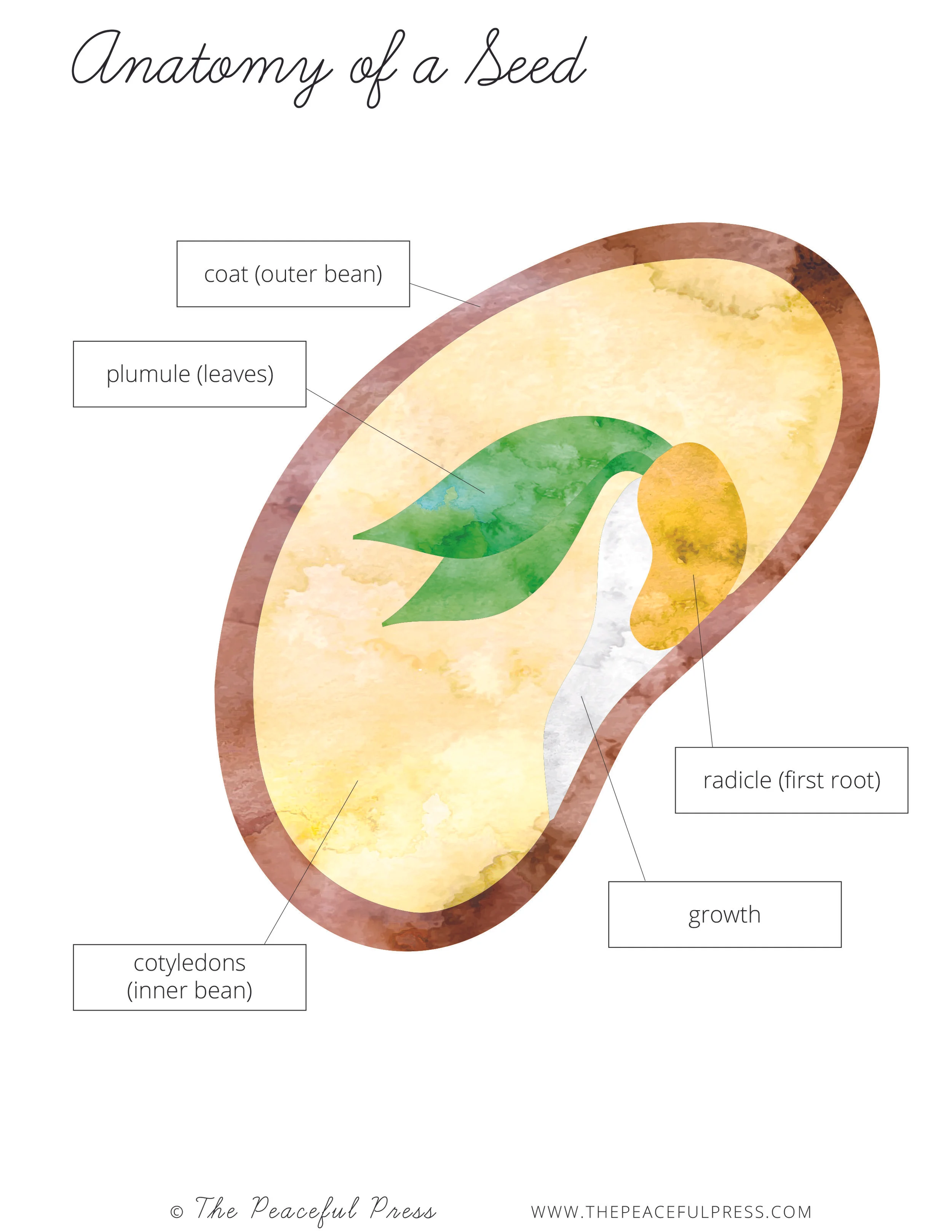 The Peaceful Preschool Garden Guide The Peaceful Press
 The Anatomy Of Food Here S How It Works Jfw Just For Women


 Everything To Know About Cooking And Shopping For In Season
 Dave On Twitter Happy Internationalcarrotday Apparently
 Vintage French Posters Botany Animals Anatomy Old World

 Veggie Anatomy 101 Carrots Veestro

 Anatomy Of A Good Soup Lettuce Entertain You
 Images From Carrots And Related Vegetable Umbelliferae
Carrot Anatomy Laptop Skin
 Carrot Anatomy Imgur
 Food Anatomy Carrot Cake
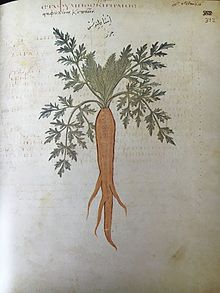 Carrot Wikipedia
 Carrot Anatomy Youtube
 Carrot Resembles Anatomy Of The Human Male Imgur
 Carrot Anatomy Printable Abeka
 Carrot Anatomy Hand Drawn In 2019 Carrots Anatomy Biology
 Anatomy Of A Bunny Orange


Posting Komentar
Posting Komentar